

A plumbing inspection in Phoenix is not the same job it would be in a milder climate, and at American Home Water & Air we have spent since 1985 learning exactly why. Valley homes deal with some of the hardest municipal water in the country, monsoon storms that overload drains three months a year, and slab construction that hides leaks until they surface as a warm spot on the floor. A good inspection is built around those realities. Here is what ours covers, how often we recommend scheduling one, and how to tell the difference between routine upkeep and a problem that needs attention now.
Key takeaway: Schedule a professional plumbing inspection once a year for most Phoenix homes, and more often for homes over 25 years old, homes on slab, or homes with a history of leaks. The inspection should cover supply lines, drains, fixtures, water heater condition, shutoff valves, and static water pressure. The single biggest local factor is hard water, which accelerates scale in water heaters and fixtures faster here than in most of the country. If you only act on one thing, verify your water pressure and the age of your water heater.
What Is Included in a Plumbing Inspection in Phoenix?
A complete plumbing inspection covers the supply side, the drain side, the water heater, and the fixtures, plus the pressure and shutoff hardware that protects all of it. Anything narrower is a spot check, not an inspection.
Here is what our technicians work through on a residential visit:
- Static water pressure at a hose bib, and the condition of the pressure reducing valve if one is installed. High incoming pressure quietly destroys fixtures, appliance hoses, and water heaters.
- Visible supply lines and connections under sinks, behind toilets, at the laundry box, and at the water heater.
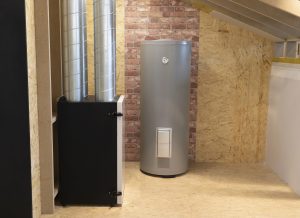
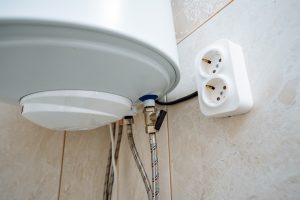
- Water heater condition — age, anode rod, temperature and pressure relief valve, signs of sediment, corrosion at fittings, and whether the unit is still within a reasonable service life.
- Drain performance at every fixture, plus venting behavior, slow drainage, and gurgling that points to a partial main line obstruction.
- Fixtures and toilets — running toilets, worn flappers, dripping faucets, and loose or leaking seals.
- Main shutoff and angle stops, including whether they actually turn. Seized shutoffs are one of the most common findings in older Valley homes.
- Evidence of past or present moisture — staining, efflorescence, soft drywall, warm floor spots, or a meter that moves with everything off.
When symptoms suggest a problem inside a line we cannot see, we recommend a video drain line inspection rather than guessing. A camera turns “probably roots” into a confirmed location and depth.
How Often Should You Schedule a Plumbing Inspection in Phoenix?
Once a year is the right baseline for most Phoenix homes, with a shorter interval for older properties and homes with known history. Annual timing works because it catches slow-developing problems — scale, corrosion, creeping pressure, root intrusion — before they become the 2 a.m. version of themselves.
Move to a more frequent schedule if any of these apply:
- The home is 25 years or older, or you do not know the age of the water heater or supply piping.
- The home is on a slab foundation and you have never had the lines evaluated.
- You have had a previous leak, slab leak, or main line backup.
- You are buying or selling, in which case the inspection scope is different and should be requested specifically.
- Your water bill has moved without a matching change in usage.
Late spring is our most common request window, since it puts any drainage findings ahead of monsoon season. We wrote more about that timing in our guide to Phoenix plumbing maintenance before monsoon season.
Quick facts Phoenix homeowners should know
- Household leaks waste roughly 9,300 gallons a year in the average U.S. home, and about nine percent of homes leak 50 gallons or more per day, according to EPA WaterSense.
- A family of four using more than 12,000 gallons in a winter month likely has a leak somewhere, per the same EPA guidance.
- The two-hour meter test is free. Read the meter, use no water for two hours, read it again. Movement means a leak.
- Dry any water-damaged area within 24 to 48 hours. The EPA notes that in most cases mold will not grow if materials are dried inside that window.
- Phoenix water is classified as very hard, which is what drives sediment in water heaters and scale on fixtures faster here than the national average.
- Arizona requires licensed contractors for this work, and license status is publicly verifiable through the state Registrar of Contractors.
- Seized shutoff valves are a findable, fixable problem — and the difference between a contained leak and a flooded room.
What Makes Phoenix Plumbing Different From Everywhere Else?
Hard water and monsoon drainage are the two conditions that separate Valley plumbing from plumbing almost anywhere else in the country. Both are predictable, which is exactly what makes them worth inspecting for.
On the water side, the USGS explains that heating hard water causes calcium carbonate to deposit as scale, which shortens equipment life, raises water heating costs, and gradually narrows pipe interiors. The Water Quality Association identifies those same dissolved calcium and magnesium salts as the primary cause of scaling in pipes and water heaters. Phoenix routinely tests in the very hard range, and the city publishes its own annual figures. That is why we look closely at water heater sediment and fixture scale on every visit, and why treatment equipment often comes up during an inspection. If you are weighing options there, our comparison of reverse osmosis versus a water softener explains which one addresses scale and which one does not.
On the drainage side, monsoon storms between June and September push volume through systems that sit mostly dry the rest of the year. Partial obstructions that never announce themselves in April become backups in July.
The same seasonal logic applies to the rest of the house. Homeowners who schedule plumbing work in spring often pair it with spring AC maintenance, and if your cooling is already struggling, our breakdown of why an AC unit isn’t cooling covers what to check first.
How Do You Know You Have a Hidden Leak?
The most reliable indicator of a hidden leak is a water meter that moves when every fixture in the house is off. EPA WaterSense recommends reading the meter before and after a two-hour period of no water use; any change points to a leak somewhere in the system.
Other signs worth acting on:
- A water bill that climbs without a change in household usage.
- Warm spots on a slab floor, which can indicate a leak in a hot water line beneath it.
- Musty odor, staining, or soft drywall, particularly along shared walls with bathrooms.
- A running toilet you can hear intermittently — one of the largest single sources of household water waste.
- Reduced pressure at one or several fixtures, which we covered in detail in our guide to diagnosing low water pressure.
Some of these you can check yourself in ten minutes. Others sit behind walls or under concrete, which is where professional leak detection equipment earns its keep — locating the source without opening up finished surfaces to find it.
What Does Preventative Plumbing Maintenance Actually Prevent?
Preventative plumbing maintenance prevents water damage, emergency repair costs, and premature equipment replacement — in that order of expense. The mechanism is simple: most plumbing failures give warning, and most warnings are only visible to someone looking for them.
Water damage is the costliest outcome because it compounds. The EPA’s guidance on mold and moisture is direct about the timeline — if wet materials are dried within 24 to 48 hours, mold generally will not grow. A leak found during a scheduled visit stays a plumbing repair. The same leak found six weeks later behind a wall becomes a remediation project.
Equipment life is the quieter savings. Sediment control and correct water pressure extend the service life of a water heater meaningfully, and catching a failing pressure reducing valve protects every fixture downstream of it. For homeowners who want this handled on a schedule rather than remembered each year, our Plumbing Club maintenance plan builds it in. Current rates for individual services are listed on our plumbing pricing page so you can see what an inspection involves before you book.
Plumbing Service Across Phoenix and the Surrounding Valley
We provide plumbing services throughout the Phoenix metro area, including Glendale, Scottsdale, Peoria, Mesa, Chandler, and Tempe, with technicians available 24 hours a day. That coverage matters for inspections specifically, because housing stock and water conditions are not uniform across Maricopa County. Homes built in central Phoenix in the 1950s and 1960s carry different piping and different failure patterns than newer slab construction in the outer suburbs, and hardness readings shift by neighborhood and by source blending. The City of Phoenix publishes annual figures for its service area on its water quality report page, and we encourage homeowners to look up their own numbers rather than rely on regional averages.
We are licensed Arizona contractors, and you can confirm any contractor’s standing yourself through the Arizona Registrar of Contractors before work begins. We would rather you check.
Frequently Asked Questions
How long does a plumbing inspection take?
A standard residential inspection generally takes one to two hours, depending on the size of the home and the number of fixtures. Larger homes, homes with multiple water heaters, or properties where we add a camera line inspection take longer. We walk through findings with you before we leave rather than emailing a report later.
Can I inspect my own plumbing instead?
You can and should do the basic checks yourself, and several of them are genuinely useful. Run the two-hour meter test, put food coloring in your toilet tanks and check the bowls ten minutes later, and look under every sink. What a homeowner cannot do without equipment is evaluate lines inside walls or under slab, measure and interpret static pressure against fixture ratings, or assess internal water heater condition.
Is a plumbing inspection the same as a home inspection?
No. A general home inspection includes a visual review of plumbing among many other systems, while a dedicated plumbing inspection goes deeper into pressure, drainage, water heater condition, and line integrity. If you are buying a Valley home and the general inspection flagged anything plumbing-related, a focused follow-up is worth the separate visit.
What happens if the inspection finds a problem?
We show you what we found, explain whether it needs attention now or can be monitored, and give you a written price before any repair work begins. Plenty of inspections end with nothing urgent, and we will tell you that plainly. An inspection that always produces a repair recommendation is a sales call, not an inspection.
Does hard water really shorten the life of a water heater?
Yes. Heating hard water precipitates calcium carbonate, which settles in the tank and insulates the heating surface, so the unit works harder to deliver the same hot water. The USGS describes this scale as reducing equipment life, raising heating costs, and clogging pipes. In a very hard water region like Phoenix, that process runs faster than the national norm.
When should I schedule relative to monsoon season?
Spring is ideal, because it leaves time to clear any drainage findings before storm season begins in June. Partial main line obstructions and slow drains often go unnoticed during low-demand months and then fail under monsoon volume. Scheduling in April or May turns a likely July emergency into a routine April repair.
How do I verify a plumber is licensed in Arizona?
Search the company or license number through the Arizona Registrar of Contractors, which maintains a public database of license status, license type, and complaint history. Confirm the status reads as current before you sign anything. This takes about a minute and is the most reliable trust check available to homeowners.
Further Reading & References
- EPA WaterSense guidance on finding and fixing household leaks
- EPA brief guide to mold, moisture, and your home
- USGS Water Science School on the hardness of water
- Water Quality Association on scale deposits in pipes and water heaters
- City of Phoenix annual water quality reports
- Arizona Registrar of Contractors license verification
Book Your Annual Plumbing Check With a Local Team
A plumbing inspection in Phoenix is worth doing properly because the conditions here are specific: very hard water working on your water heater year-round, and monsoon volume testing your drains every summer. American Home Water & Air has been working on Valley plumbing since 1985, out of our main office at 2030 W Desert Cove Ave in Phoenix, serving Glendale, Scottsdale, Peoria, Mesa, Chandler, and Tempe. We will tell you what we find, including when the answer is that everything looks fine.
Schedule a plumbing inspection. A licensed technician, a full walkthrough of your system, and a clear explanation of anything that needs attention.
Schedule a Plumbing Inspection or call (602) 993-0083
Related Posts