
Key Takeaway: Sewer line problems almost always give warning signs first, like slow drains, gurgling toilets and odd smells.
Why it matters: In Phoenix, the sewer pipe on your property is your responsibility. Small problems caught early cost far less than a backup into your home.
Your benefit: Knowing the signs, and getting a camera inspection when they show up, helps you fix the right problem before it becomes an emergency.
Most homeowners never think about their sewer line until something goes wrong. It’s buried in the yard, doing its job quietly for years. But when sewer line repair in Phoenix becomes necessary, it’s usually because small warning signs were easy to miss.
A slow tub here. A gurgle from the toilet there. A faint smell near the cleanout that comes and goes. On their own, none of these feel urgent. Together, they can mean the main line carrying everything out of your home is starting to struggle.
Sewer problems rarely appear out of nowhere. Here are the plumbing issues that point to the sewer line, what causes them in Valley homes, and when a sewer inspection makes sense.
Quick Facts
What Does Your Sewer Line Actually Do?
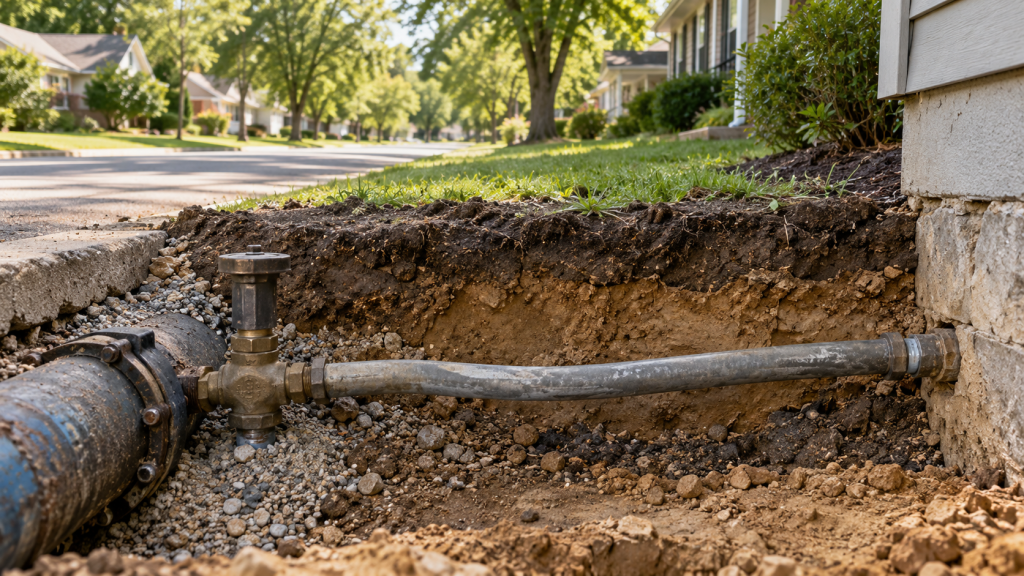
Your sewer line is the main pipe that carries all the wastewater from your home to the city sewer. Every sink, shower, toilet and appliance drain feeds into it.
Because everything flows through one pipe, a problem there affects the whole house, not just one fixture.
Did You Know? Under Phoenix city code, homeowners are responsible for cleaning and repairing the sewer connection from the house to the public line. For single-family homes and duplexes, the City handles broken sections that sit in the public right-of-way. If you live in another Valley city or a condo, check your local rules or HOA, since responsibilities can differ.
What Are the Early Warning Signs of Sewer Line Problems?
The clearest early sign is more than one drain acting up at the same time. Here’s what to watch for:
- Several slow drains at once. If the tub, shower and sinks are all sluggish, the issue is probably in the main line.
- Gurgling toilets or drains. Bubbling sounds when water drains elsewhere can mean air is trapped behind a partial blockage.
- Water backing up in odd places. Flushing a toilet and seeing water rise in the tub or shower is a classic main line warning sign.
- Sewer smells. A rotten-egg odor inside or near your outdoor cleanout can point to a crack or blockage.
- Soggy or extra-green patches in the yard. In the desert, a spot that stays wet or grows faster than the rest of the yard can mean a leak underground.
- More pests than usual. Cockroaches and rodents can travel through damaged sewer pipes.
- Clogs that keep coming back. If you’ve had the same line cleared more than once in a year, something is likely causing it.
One of these on its own isn’t a reason to panic. Two or three together, or one that keeps returning, is a good reason to have the line looked at.
If sewage backs up into your home: Stop running water in the house, keep kids and pets away from the area, and avoid touching the water. Sewage can carry bacteria and viruses that cause illness. Don’t pour chemical drain cleaners into a main line backup. They rarely clear it and can make the job riskier for whoever opens the line. This is a time for emergency plumbing service.
What Causes Sewer Line Problems in Phoenix Homes?
Most sewer line trouble comes down to a few common causes: roots, aging pipe, buildup and ground movement.
Tree roots. Roots seek out water, and a small crack or loose joint is an easy way in. Once inside, they catch debris and grow. The City of Phoenix recommends not planting trees or large shrubs over or near your sewer line or cleanout.
Aging pipe. Depending on your home’s age, your sewer line may be cast iron, clay or another older material that can corrode, crack or separate at the joints.
Grease and wipes. Cooking grease hardens inside pipes, and “flushable” wipes often don’t break down like toilet paper. Both narrow the line over time.
Shifting ground. Settling soil can make sections of pipe sag. These low spots, called “bellies,” let waste collect instead of flowing out.
A common homeowner mistake: Clearing the same clog over and over without finding out why it keeps happening. Repeated snaking can buy time, but if roots or a broken pipe are the cause, the problem will keep coming back, and it can get worse in the meantime.
When Should You Get a Sewer Inspection?
Get a sewer inspection when you notice repeated warning signs, after any main line backup, or before buying an older home.
A video sewer inspection sends a small waterproof camera through the line to show roots, cracks, sags and buildup, and exactly where they are. That way, decisions about sewer line repair are based on what’s actually underground, not guesswork. It’s also smart before a major remodel, before new landscaping near the line, or if your older home’s line has never been checked.
Tips to protect your sewer line:
- Pour cooking grease into a can and toss it in the trash, not the sink.
- Flush only toilet paper, even if wipes say “flushable.”
- Know where your outdoor cleanout is so a plumber can get to it quickly.
- Keep new trees and large shrubs away from the sewer line’s path.
What Happens During Sewer Line Repair in Phoenix?
It depends on what the inspection finds. Many sewer problems can be handled without major repairs.
If the line is clogged with grease, sludge or roots, professional drain cleaning may clear it. For heavier buildup, hydro jetting uses high-pressure water to scour the inside of the pipe. Some homeowners also use enzyme drain treatment as routine upkeep between cleanings.
If the camera shows a cracked, collapsed or badly sagging section, that part of the line may need repair or replacement. A good plumber should show you the footage, explain your options and give you a price before any work begins. You can see typical costs on our plumbing services prices page.
Why Local Plumbing Experience Matters
Every Valley home is a little different. Older central Phoenix neighborhoods often have different pipe materials than newer builds in places like Surprise or Gilbert, and landscaping and lot layout play a part too.
We’ve been serving Phoenix-area homeowners since 1985, and our licensed plumbers work throughout our Valley service areas. We’ll show you what we find on camera and tell you honestly whether you need a cleaning, a repair or simply nothing at all right now.
Frequently Asked Questions
How do I know if my sewer line is clogged or broken?
Watch for several slow drains at once, gurgling toilets, backups into tubs and sewer odors. A video sewer inspection is the only way to know for sure whether the line is clogged or damaged.
Who is responsible for sewer line repair in Phoenix?
Under Phoenix city code, the property owner is responsible for the sewer piping from the home to the public sewer line. For single-family homes and duplexes, the City repairs broken sections located in the public right-of-way.
What is a sewer camera inspection?
A plumber feeds a small waterproof camera through your sewer line to look for roots, cracks, sags and buildup. It shows the exact problem and location, so repairs can be targeted.
Why does my toilet gurgle when I run the shower?
Gurgling usually means air is trapped by a partial blockage in the main line or a venting problem. If it happens often, or with slow drains elsewhere, have the sewer line checked.
Can tree roots really damage a sewer line?
Yes. Roots enter through small cracks or loose joints, then grow, trap debris and can eventually block or break the pipe.
Should I get a sewer inspection before buying a home?
It’s a smart step, especially for older homes or properties with mature trees. Standard home inspections usually don’t include a camera look inside the sewer line.
The Bottom Line
Your sewer line rarely fails without warning. Slow drains, gurgling, backups, odors and soggy yard spots are all worth paying attention to. Catching these plumbing issues early usually means a simpler fix and far less stress.
If you’re noticing any of these signs, or you just don’t know the condition of your line, schedule a sewer inspection with American Home Water & Air. We’ll show you what the camera finds and give you upfront pricing before any work starts. Call (602) 993-0083, or ask about our Plumbing Club for priority scheduling and ongoing savings.
Further Reading & References
- Video Drain Line Inspections
- Drain Cleaning
- Hydro Jetting
- Plumbing Club (Plumbing Maintenance Plan)
- Phoenix City Code Sec. 28-5: Property Owner Responsibility for Building Sewers
Related Posts