
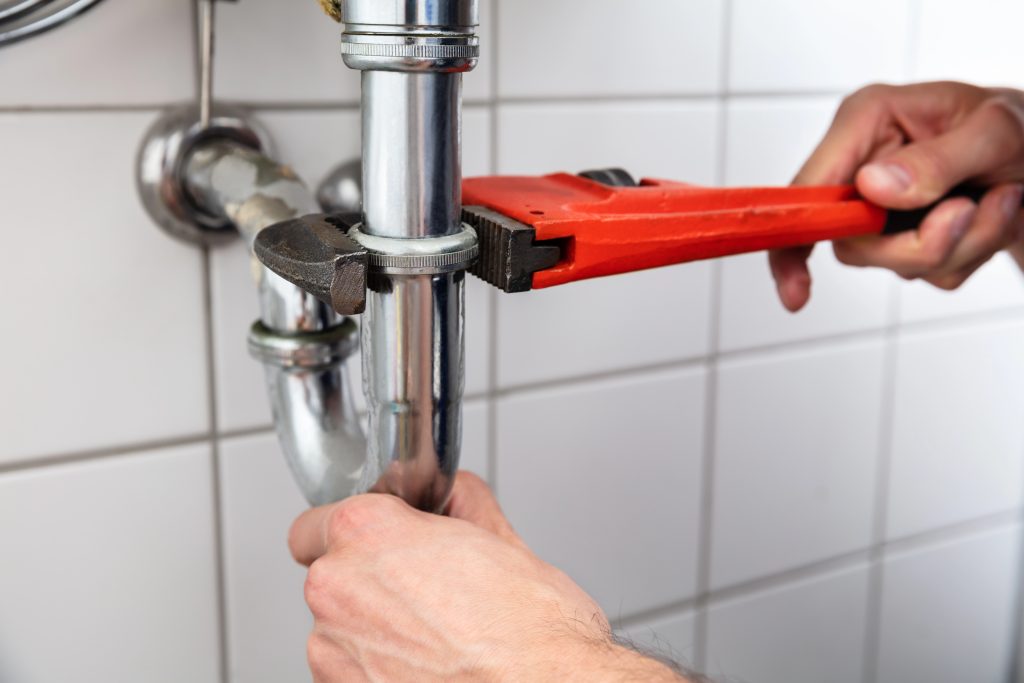
At American Home Water & Air, Phoenix plumbing maintenance is something we think about differently once monsoon season rolls around. Every June through September, Arizona’s summer storms bring flash flooding, downed drains, and sudden leaks that catch homeowners off guard. We’ve spent more than 35 years working on plumbing systems across the Valley, and we’ve seen firsthand how a little preparation before the first storm hits can save homeowners from a much bigger headache in July and August.
This guide walks through what we recommend before monsoon season arrives: what to inspect, which outdoor fixtures need attention, how to keep a sump pump ready, and what to do if something goes wrong mid-storm.
Phoenix plumbing maintenance before monsoon season comes down to four things: inspecting pipes and fixtures for existing leaks, clearing drains and gutters so storm runoff has somewhere to go, protecting outdoor faucets and sprinkler lines from wind and debris, and confirming your sump pump actually works before you need it. A single seasonal inspection, ideally scheduled in late May or early June, catches most of the problems that would otherwise turn into an emergency call during a storm.
Why Phoenix Plumbing Maintenance Matters Before the Rain Starts
Arizona’s monsoon season is an official, fixed window. The National Weather Service’s Phoenix office designates June 15 through September 30 as monsoon season statewide, and it’s during this stretch that the Valley sees roughly half its annual rainfall arrive in short, intense bursts rather than steady drizzle. That pattern is exactly what stresses residential plumbing: storm drains, downspouts, and yard grading all have to move a large volume of water in a short amount of time, and any existing weak point in your system, a slow leak, a partially clogged line, a cracked hose bib, gets pushed past its limit.
We treat a pre-monsoon plumbing inspection the same way we’d treat changing the batteries in a smoke detector: it’s not glamorous, but skipping it is how small problems become expensive ones. A technician checking your home before the season starts can spot worn supply lines, slow drains, and water heater corrosion while they’re still minor and inexpensive to fix.
How Often Should We Get a Plumbing Inspection Before Monsoon Season?
Once a year, timed for late spring, is the minimum we recommend for most Phoenix homes, with a second check-in if your home is older or has a history of drain or slab-leak issues. An annual visit gives a technician time to test water pressure, look at exposed pipe joints, run a camera through problem drains if needed, and confirm that your sump pump and backflow devices are functioning before storm season puts them to work. Homes on well water or with older cast-iron drain lines often benefit from a second look partway through summer, since heat and heavy use both accelerate wear.
- Arizona’s monsoon season runs June 15 through September 30 each year, per the National Weather Service.
- The Phoenix metro receives close to half its total annual rainfall during this four-month window.
- Flash flooding, not the rain itself, is the leading cause of monsoon-related property damage in Arizona.
- Floodwater can carry raw sewage and other contaminants, according to the EPA, so standing water around a home should never be treated as clean.
- A working sump pump with a battery backup is one of the few plumbing safeguards that keeps functioning during a storm-related power outage.
Monsoon Plumbing Tips: Leaks, Drains, and Outdoor Fixtures
Most of the plumbing tips we give Phoenix homeowners before monsoon season fall into three categories: find existing problems, protect what’s outdoors, and make sure water has somewhere to go.
Start indoors. Walk through the house and check under sinks, around the water heater, and behind the washing machine for any sign of moisture, staining, or a musty smell. A slow leak that’s manageable in dry weather can back up and cause real damage once a storm adds extra load to your drain lines.
Clear the path for runoff. Gutters, downspouts, and yard drains clogged with palm fronds, dust, and debris are one of the most common reasons Phoenix homes flood during a storm that wouldn’t otherwise have caused any damage. Clearing them before the season starts, and again mid-summer, keeps water moving away from your foundation instead of pooling against it.
Protect outdoor fixtures. Exposed hose bibs, irrigation lines, and sprinkler heads take a beating from monsoon wind, dust, and debris. We recommend securing or covering exposed fixtures and having sprinkler heads adjusted so they drain properly instead of channeling water back toward the house.
It’s worth noting that some seasonal maintenance advice that circulates online, like disconnecting hoses to prevent freeze damage, applies to winter prep, not monsoon season. Phoenix’s monsoon risk is heat, wind, and flash flooding, not freezing pipes, so it’s worth focusing your monsoon checklist on drainage and wind exposure rather than cold-weather steps that don’t apply here. If you’re also thinking ahead to how your home’s cooling system handles the seasonal transition, that’s a separate but related checklist worth running at the same time, since summer storms often knock out power and stress HVAC systems along with plumbing.
Keeping Your Sump Pump Ready for Storm Season
A sump pump is one of the few pieces of plumbing equipment most homeowners never think about until it fails. If your home has a sump pump, a sump pit, or a low-lying area prone to water collection, testing it before monsoon season is worth the ten minutes it takes. Pour a few gallons of water into the pit and confirm the pump activates, drains the water, and shuts off correctly. A backup battery system is worth considering too, since monsoon storms are a common cause of the power outages that leave a sump pump unable to do its job right when you need it most.
What Should We Do If a Leak or Flooding Happens During a Storm?
Turn off the water supply at the main shutoff and contact a licensed plumber as soon as it’s safe to do so. If floodwater has entered the home, avoid direct contact with it until it’s been assessed. The EPA notes that floodwater can carry raw sewage and other hazardous substances, so treating any standing water from a storm as contaminated, rather than assuming it’s just rainwater, is the safer default until a professional has looked at the situation.
Phoenix Metro Homes We Help Prepare for Monsoon Season
We work with homeowners across Phoenix, Scottsdale, Tempe, Mesa, Glendale, and Chandler, and plumbing needs vary block by block depending on pipe age, water hardness, and how a particular neighborhood drains during a storm. Older homes near central Phoenix and Tempe tend to have more aging cast-iron and galvanized pipe, which is more prone to corrosion-related leaks. Newer construction in the East Valley and parts of Maricopa County generally has more modern PEX or copper plumbing, but can still be caught off guard by poor yard grading or undersized drainage around the property.
Arizona’s water is also notably hard, which affects plumbing longevity over time regardless of neighborhood. The City of Phoenix Water Services Department tests drinking water against standards set by the EPA and the Arizona Department of Environmental Quality, and publishes an annual water quality report for residents who want the specifics for their area. Homeowners dealing with mineral buildup, scale on fixtures, or reduced water pressure sometimes ask us whether a softener or a reverse osmosis system is the better fix. We’ve broken down the difference between reverse osmosis and water softening in more detail if that’s a decision you’re weighing alongside your monsoon prep.
Monsoon prep is also a reasonable time to have a technician look at more than just plumbing while they’re already at the house. Storm-related power surges and sudden humidity swings can affect HVAC performance too, and if your air conditioning has been struggling to keep up with the heat, an inspection can rule out whether the two issues are related, since a home’s plumbing and cooling systems often share attic space, condensate lines, and electrical circuits.
Phoenix Monsoon Plumbing FAQs
How often should we inspect our plumbing before monsoon season?
Once a year, scheduled in late spring before June 15, is the general recommendation for most Phoenix homes. Older homes, properties with a history of leaks, or homes on well water often benefit from a second check partway through the summer.
What should we do if we notice a leak during a storm?
Shut off the water at the main supply valve and call a licensed plumber as soon as it’s safe to do so. Avoid direct contact with any standing water until it’s been checked, since storm runoff can carry contaminants.
Can we protect our outdoor fixtures from monsoon damage?
Yes, securing exposed hose bibs, sprinkler heads, and irrigation lines against wind and debris meaningfully reduces monsoon damage. Adjusting sprinkler drainage so water flows away from the foundation also helps prevent pooling during heavy rain.
Why does a sump pump matter for Phoenix homes during monsoon season?
A sump pump clears water that collects in low-lying areas of a home, and monsoon storms are one of the more common causes of the sudden power outages that can disable it. Testing the pump and considering a battery backup before the season starts keeps it working when it’s needed most.
Does hard water in Phoenix affect plumbing maintenance?
Yes, Phoenix’s naturally hard water contributes to mineral buildup in pipes and fixtures over time, which can affect water pressure and appliance lifespan. A water softener or reverse osmosis system can reduce this buildup, and the right option depends on the household’s water use and existing plumbing.
Further Reading & References
- National Weather Service, Phoenix Forecast Office: Monsoon Awareness
- U.S. Environmental Protection Agency: Flooding Preparedness and Recovery
- City of Phoenix Water Services Department: Water Quality
- Arizona Department of Environmental Quality: Water Quality Division
Schedule a Plumbing Inspection Before the Next Storm
Phoenix plumbing maintenance is easiest to stay ahead of before the first monsoon storm rolls through, not after. At American Home Water & Air, we’ve been helping homeowners across Phoenix, Scottsdale, Tempe, Mesa, and the surrounding Valley prepare their plumbing for monsoon season for more than 35 years, and a seasonal inspection remains the most reliable way to catch small issues before they become storm-day emergencies. If it’s been a while since your plumbing was checked, or you’d simply like the peace of mind of knowing your home is ready, reach out to schedule a plumbing inspection with our team before the next round of storms arrives.
Related Posts