

Understanding furnace noises is crucial for effective troubleshooting and maintenance. Different sounds such as banging, whistling, rattling, or squealing each indicate specific issues that may require attention to prevent further damage or inefficiency. Regular maintenance and timely professional inspections help catch small problems early, ensuring the furnace operates smoothly and efficiently during winter.
What’s That Noise Coming From Your Furnace?
It’s a chilly winter evening and you flip on the heat—then your furnace answers with a loud bang, a whistle, or an annoying squeal. Since most modern systems are designed to run quietly, new sounds are often your first clue that something needs attention. The goal of furnace troubleshooting isn’t to panic—it’s to recognize what the noise likely means, try safe, simple checks, and know when to call for a professional furnace inspection.
If you’re hearing something unusual, start with this guide on understanding unusual furnace noise and use the sections below to match the sound to likely causes. Addressing small issues early can help prevent higher energy bills, uneven heating, and avoidable wear on parts.
Quick Facts: Normal vs. Not-So-Normal Furnace Sounds
- One-time “whoosh” at startup: Often normal ignition and airflow.
- Light ticking as metal warms: Can be normal duct expansion.
- Loud boom or repeated banging: Often delayed ignition—needs attention.
- High-pitched whistling: Usually airflow restriction (filter/vents/duct leaks).
- Rattling or clanging: Loose panels or blower components—can worsen quickly.
- Squealing/screeching: Belt/bearing/blower motor strain—schedule service soon.
When to Turn Off Your Furnace Immediately
Most furnace noises aren’t an emergency, but some combinations of sound + symptoms mean you should shut the system off and get help right away:
- Burning smell that doesn’t fade quickly after startup
- Repeated booming at ignition or a “mini-explosion” sound
- Metal scraping or grinding that continues while running
- No heat + repeated clicking as it attempts to ignite over and over
- A carbon monoxide alarm going off (leave the home and follow alarm instructions)
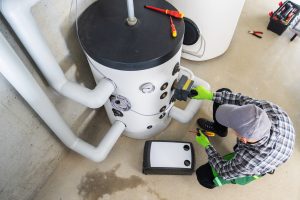
If you’re unsure, it’s better to pause the system and book a checkup. This overview on what to know about a furnace inspection explains what technicians look for and why seasonal service matters.
Banging, Popping, or Booming Sounds
A loud bang or boom when your furnace starts can point to delayed ignition, when gas builds up before it lights. When ignition finally happens, it creates a sudden pressure change that sounds like a “boom.” This is one of the most important sounds to take seriously because it can stress components over time.
Another common cause is ductwork expansion and contraction as the system heats up. Some popping is normal, but frequent or louder sounds can indicate pressure issues or airflow restriction. A clogged filter is a common culprit—use this guide on how often to change the HVAC filter to keep airflow steady.
If you’ve changed the filter and the booming continues, don’t ignore it—schedule an inspection so a pro can safely check burner cleanliness and gas/air balance.
Whistling Sounds: Airflow Is Restricted
A high-pitched whistle usually means your furnace is “starving” for air. Restricted airflow forces the blower to work harder, which can raise energy use and reduce comfort. Start with the basics: confirm vents are open, returns aren’t blocked by furniture, and the filter is clean.
If the sound persists, the issue could be duct leaks or blower strain. In some cases, the blower may need a reset or professional evaluation—see how to reset a furnace blower motor for safe, homeowner-friendly guidance.
For broader best practices on air filters and HVAC efficiency, the U.S. Department of Energy’s HVAC guidance is a helpful high-authority reference.
Rattling, Vibrating, or Metal Clanging Noises
Rattling usually points to something loose: a panel screw, a bracket, or a component vibrating under normal operation. Sometimes the sound travels through ductwork and seems louder than it is.
If the noise becomes sharp clanging or feels like it’s coming from the blower area, it may indicate a mechanical issue such as blower wheel misalignment or motor mount wear. This related troubleshooting resource can help you understand common failure patterns: furnace clicks but does not turn on (possible blower/ignition-related causes).
Loose parts can worsen quickly—especially during heavy winter use—so if tightening accessible panels doesn’t help, schedule professional service.
Squealing or Screeching Sounds: Belt, Bearings, or Blower Motor Strain
A squeal or screech is typically friction: worn bearings, a slipping belt, or a blower motor that’s starting to struggle. This noise rarely fixes itself and often gets worse as the system runs.
If you suspect the blower motor is involved, this guide can help you understand what’s happening and why it matters: is your furnace blower motor squealing?
The best move is a tune-up—technicians can lubricate parts (where applicable), replace worn components, and confirm the blower is balanced and operating efficiently.
Clicking or Constant Cycling: Ignition or Thermostat Problems
A single click at startup is normal—but repeated clicking throughout a cycle can signal ignition trouble, sensor issues, or electrical wear. Constant cycling (turning on/off repeatedly) can also happen when airflow is restricted and the system overheats.
If your furnace is blowing cold air or clicking repeatedly, this checklist is a strong starting point: troubleshooting a furnace blowing cold air.
Because ignition and electrical repairs require specialized tools and safety knowledge, persistent clicking or short cycling is a “call a pro” situation.
Phoenix-Area Winter Note: Why Noises Spike When Temperatures Drop
In Phoenix and nearby cities like Scottsdale, Mesa, Tempe, Glendale, Peoria, and Chandler, furnaces often sit idle for long stretches—then run hard during sudden cold snaps. That first week of heavy runtime can expose issues like dirty burners, worn bearings, and airflow restrictions.
If you’d rather get ahead of it, scheduling seasonal service before winter is one of the easiest ways to reduce surprise noises and prevent mid-season breakdowns. If you need help finding qualified technicians, this resource can point you in the right direction: find an HVAC contractor in Phoenix.
Final Thoughts: Keep Warm Without the Worry
Furnace noises are your system’s way of flagging changes—sometimes minor, sometimes important. Start with safe basics (filter, vents, visible panels), but don’t ignore persistent booming, squealing, clanging, or repeated clicking. Those sounds often mean the furnace is working harder than it should, which can drive up energy costs and shorten component life.
If you want peace of mind before the next cold night, the simplest next step is scheduling a professional checkup. Use this guide to understand what to expect: what you should know about furnace inspection.
FAQ: Common Furnace Noise Questions
What does a loud boom when my furnace starts mean?
Why is my furnace whistling?
Is a rattling furnace dangerous?
What does squealing or screeching mean?
How often should I change my furnace filter?
Further Reading & References
- Understanding Unusual Furnace Noise
- What You Should Know About Furnace Inspection
- How Often to Change Your HVAC Filter
- Is Your Furnace Blower Motor Squealing?
- Troubleshooting Checklist: Furnace Blowing Cold Air
- Find an HVAC Contractor in Phoenix
- U.S. Department of Energy: HVAC & Air Filter Efficiency Guidance
Related Posts