

For most homes, the best water heater temperature setting is around 120°F. This level provides comfortable hot water while helping prevent scalding and reducing energy waste. Small adjustments, proper maintenance, and periodic temperature testing can improve performance and keep your system operating efficiently over time.
The best water heater temperature setting plays an important role in household comfort, safety, and energy efficiency. When the temperature is set correctly, showers feel consistent, appliances work properly, and the system uses less energy to maintain hot water. Even small changes of five to ten degrees can affect your monthly utility bills and the lifespan of your equipment.
Many homeowners never check their water heater thermostat after installation, but the default factory setting may not match your household needs. Factors such as plumbing layout, family size, appliance requirements, and water hardness can all influence the ideal temperature range.
According to the U.S. Department of Energy water heating guidance, lowering a water heater thermostat to about 120°F can help reduce energy consumption while maintaining safe and comfortable water temperatures.
What Is the Best Water Heater Temperature Setting?
The best water heater temperature setting for most homes is about 120°F because it balances comfort, safety, and efficiency. At this level, showers remain warm, dishes clean properly, and the risk of scald burns is significantly reduced.
Higher temperatures—typically between 130°F and 140°F—may be useful in homes with long plumbing runs or older dishwashers that rely on hotter incoming water. However, these settings increase energy consumption and raise the risk of burns at faucets.
If a household requires higher storage temperatures, thermostatic mixing valves can blend hot and cold water to deliver safer temperatures at the tap.
If you frequently run out of hot water even at higher thermostat settings, the issue may be system size rather than temperature. A properly sized unit or professional inspection can improve performance without raising the thermostat.
Does Lowering Water Heater Temperature Save Energy?
Yes, lowering your water heater thermostat can reduce energy consumption because the system spends less energy maintaining stored hot water.
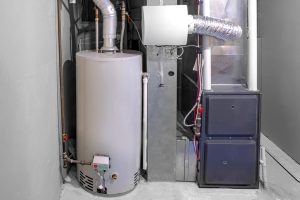
Storage tank heaters continually maintain water temperature, even when hot water is not being used. When the thermostat is set too high, the heater must repeatedly reheat water to replace heat lost through the tank walls and pipes.
Lowering the temperature slightly helps reduce standby heat loss and improves overall system efficiency. Homeowners can learn more about optimizing performance by reviewing adjusting water heater settings for better efficiency.
- Lower the thermostat to around 120°F
- Insulate exposed hot water pipes
- Flush sediment buildup from tanks annually
- Repair dripping hot-water faucets
- Install low-flow showerheads to reduce demand
Safety Considerations: Preventing Scald Burns
Water that is too hot can cause serious burns in just a few seconds. Children and older adults are particularly vulnerable to scald injuries.
At 140°F, water can cause severe burns in only a few seconds, while 120°F greatly reduces that risk. This is why many safety organizations recommend keeping household water heater settings near 120°F.
Installing anti-scald devices such as thermostatic mixing valves adds another layer of protection by blending hot and cold water before it reaches faucets and showers.
Water temperatures above 130°F increase the risk of scald burns. If you must store water at higher temperatures, use mixing valves or anti-scald fixtures to maintain safer tap temperatures.
How to Measure Your Actual Hot Water Temperature
Testing your tap temperature ensures the thermostat setting matches the real water temperature reaching your fixtures.
To measure accurately, run hot water at the nearest faucet for about one minute. Place a kitchen thermometer under the stream and record the temperature reading. If the measured temperature is too high or too low, adjust the water heater thermostat slightly and test again after the system stabilizes.
Electric water heaters require turning off power before accessing thermostat panels, while gas heaters usually allow adjustments through an external dial.
How Hard Water Affects Temperature Performance
Mineral-rich water can form scale buildup inside water heater tanks and heating elements. This buildup reduces heating efficiency and forces the system to work harder to maintain the same temperature.
Over time, scale can insulate heating elements and reduce the amount of heat transferred to water. When this happens, homeowners may increase thermostat settings to compensate for slower heating.
Regular flushing and maintenance can help prevent mineral buildup. In areas with significant mineral content, installing scale control or water treatment systems can help maintain efficient heating performance.
Local Water Heater Expertise in the Phoenix Area
Homeowners in Phoenix and the surrounding communities—including Scottsdale, Mesa, Chandler, Tempe, Glendale, and Gilbert—often deal with extremely hard water that can affect water heater performance.
Local plumbing professionals understand how Arizona’s mineral-heavy water impacts heating systems and can recommend maintenance schedules or equipment upgrades that protect your investment.
If your system struggles to maintain temperature or shows signs of wear, scheduling professional water heater services can help identify issues such as scale buildup, failing heating elements, or thermostat problems.
Frequently Asked Questions About Water Heater Temperature
What temperature should a water heater be set at?
Is 140°F too hot for a water heater?
Will lowering water heater temperature reduce energy bills?
How do I know if my water heater thermostat is accurate?
Conclusion
Choosing the best water heater temperature setting is a simple but powerful way to improve comfort, reduce energy costs, and protect your household from scald injuries.
For most homes, keeping the thermostat around 120°F provides the ideal balance of safety, efficiency, and performance. Regular temperature testing, proper maintenance, and monitoring for mineral buildup help ensure your water heater continues to operate reliably.
If your system struggles to maintain temperature or requires frequent adjustments, it may be time to schedule a professional inspection or consider upgrading to a more efficient model.
Further Reading & References
- Adjusting Water Heater Settings for Efficiency
- Water Heater Inspection Checklist
- Tank vs Tankless Water Heaters
- Professional Water Heater Services
- U.S. Department of Energy Water Heating Guide
Related Posts